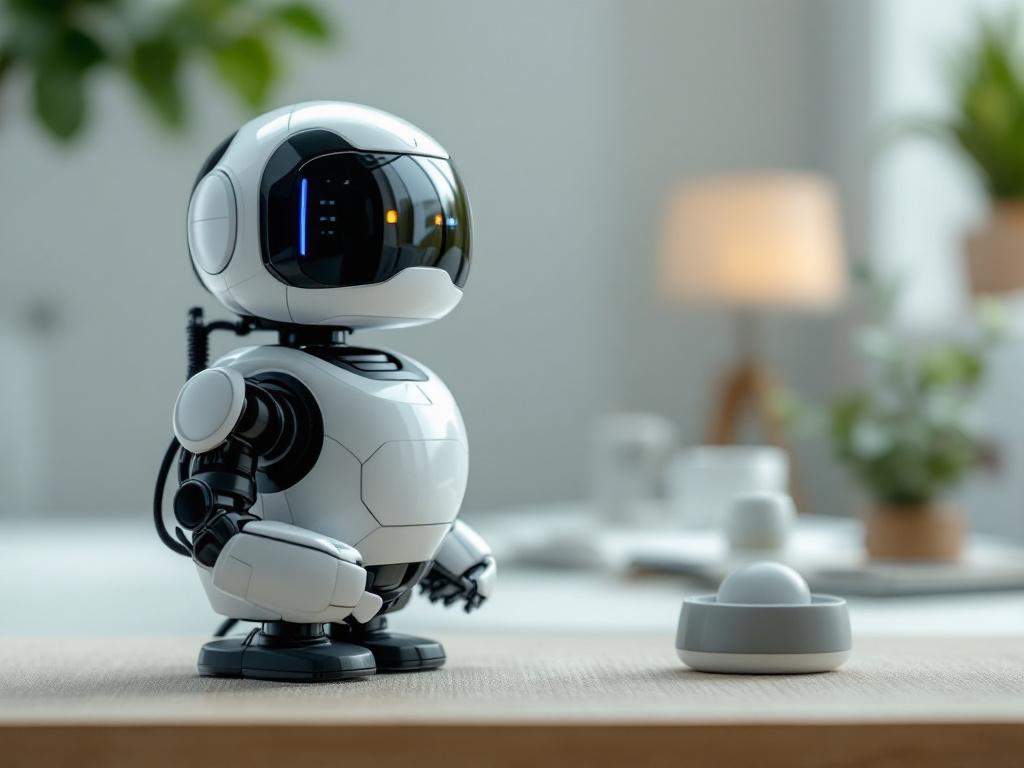
The Intersection of Robotics and IoT: Enhancing Smart Robot Connectivity
In the rapidly evolving landscape of modern technology, robotics and IoT have emerged as pivotal forces driving transformative change across various industries. As we foresee the technological advancements of 2026, these converging technologies are set to redefine the fabric of how industries operate and interact with smart environments. The Internet of Things (IoT) can be described as a vast network of interconnected devices that collect and share data seamlessly, advancing beyond mere observation to actively shaping environments through intelligent actions. Similarly, robotics represents systems that can perceive their surroundings, make autonomous decisions, and execute tasks with precision. This blog post will delve deep into how the integration of robotics and IoT exponentially amplifies capabilities, leading to new operational efficiencies.
Understanding Robotics and IoT
To appreciate the significance of "robotics and IoT," it's essential to dissect each component's role and integration. On one hand, robotics refers to systems designed with core capabilities such as environmental perception, decision-making, and precise task execution. According to 2026 forecasts, the global market value for industrial robots is expected to reach a staggering $16.7 billion, indicating a prolific adoption across sectors like manufacturing, healthcare, logistics, and retail. This surge points to the undeniable value these systems deliver through increased efficiency and automation.
On the other hand, IoT serves as the sensory infrastructure that enables these autonomous actions. IoT's role stretches far beyond connectivity; it facilitates robots' ability to function as independent agents within a broader digital ecosystem by providing the necessary data and information from their environment. The sophistication of these systems has evolved from simple networks of sensors into vast digital platforms that support decision-making in real-time. Robots empowered by IoT can adapt and respond to dynamic environments, making them invaluable assets to any industry looking to incorporate automation and innovation.
The Synergy Between Robotics and IoT
The integration of IT/OT, where data-driven Information Technology merges with the tangible control capabilities of Operational Technology, forms the backbone of enhanced robotic capacities. This synergy between robotics and IoT is the catalyst for the revolutionary advancements we see today. Through multimodal sensing, robots are equipped with high-resolution cameras, sensors, and radar, granting them comprehensive environmental awareness.
Edge computing further elevates this integration by facilitating local decision-making. Traditionally reliant on cloud data processing, robots can now make instantaneous decisions without interruptions caused by latency issues, thanks to edge computing advancements. This local processing ensures that robots can perform tasks efficiently, even in regions with less reliable internet connectivity.
Seamless interaction between humans and machines represents another milestone in this integration. Natural language processing allows robots to understand and adapt to human instruction, leading to a more intuitive and cooperative working environment. Together, these advancements foster the development of networked robots that can perform complex operations autonomously across diverse sectors.
Industries like autonomous vehicles, warehouse automation, drone operations, healthcare, and fleet maintenance are leading examples where networked robotics showcase their capabilities. For instance, in autonomous vehicles, networked sensors consolidate data from multiple sources to enable self-driving capabilities with varying levels of automation. Similarly, in warehouse automation, robots manage inventory and assist in logistics by integrating seamlessly with IoT infrastructure.
Key Components of Robot Communication
Communication is a cornerstone of an efficient robotics-IoT integration, facilitated by a range of cutting-edge technologies within IoT networks. 5G technology now plays a critical role in enabling low-latency connectivity essential for real-time coordination among robots. This connectivity ensures that robots can communicate and coordinate synergistically in real-time, a necessity for high-stakes industries like healthcare and logistics.
Edge AI encompasses IoT devices that transcend mere data collection to perform analysis and decision-making locally. This extension of capabilities enables real-time responses without relying on cloud-based processing.
V2X protocols are integral to autonomous systems, driving vehicle-to-everything interactions that allow vehicles to anticipate hazards and coordinate actions with surrounding infrastructure.
Furthermore, managed IoT platforms support connectivity and scalability, facilitating the development of cloud-native applications that bridge the gap between edge and cloud computing. This layered approach in technology provides the needed flexibility and robustness required for large-scale implementation of robotics and IoT infrastructure.
Benefits of Robotics and IoT Integration
The integration of "robotics and IoT" brings tangible benefits that span operational, economic, and safety aspects. Through automation, processes that traditionally relied on human operators can now be executed autonomously, thus unlocking production flexibility by enabling agile reconfigurations of manufacturing lines. This agility is vital for industries that need to adapt swiftly to market demands.
Increasingly, such integrations lead to significant quality improvements, characterized by reduced human-induced variability and optimized resource utilization. Additionally, real-time data-driven optimization aids in maximizing efficiencies across a spectrum of operational aspects, from enhancing urban mobility through smart traffic systems to optimizing energy distribution.
Safety also experiences a dramatic enhancement through robotics and IoT by enabling fine manipulation and contextual understanding in environments deemed hazardous. Autonomous systems can venture into high-risk areas and perform tasks too dangerous for humans, thus ensuring a safer working environment.
Overall, this integration's impact stretches further into the economic domain, where technological innovation is a linchpin for competitive advantage. Companies that adeptly harness these technologies are better positioned to capitalize on new opportunities and outperform rivals.
Challenges and Considerations
Despite the myriad benefits, the integration of "robotics and IoT" isn't without challenges. Regulatory complexities pose significant hurdles, particularly around functional safety and data privacy issues. Autonomous systems necessitate robust governance structures that ensure compliance with safety standards and traceability.
Security requirements intensify as these systems access sensitive data, particularly in healthcare environments. Therefore, it becomes paramount to adopt cybersecurity practices equivalent to those in healthcare to safeguard this information.
Concerns about supply chain sovereignty emerge, highlighting the need for architectural control and independence in edge computing. Organizations must navigate these waters carefully to prioritize resilience and security within their operational strategies.
Standards for interoperability remain a crucial focus area. Diverse platforms necessitate unified protocols to ensure seamless communication among devices, a consideration that requires industry-wide collaboration and consensus.
To address these challenges, deploying healthcare-grade cybersecurity, investing in edge computing infrastructure, and adopting open standards emerge as critical strategies. These mitigations foster a seamless transition toward a fully integrated ecosystem where robotics and IoT thrive.
Future Trends and Innovations
Looking to the future, several trends hint at the trajectory of "robotics and IoT." Notably, the maturation of Physical AI points to systems that actively execute complex tasks with precision. This represents not just an optimization tool but an expansion of capability that complements human labor rather than replacing it.
Multimodal autonomous systems apply advanced regulatory standards and technologies, enabling drones to execute missions autonomously with minimal intervention, a promising frontier for industries that rely on persistent and pervasive monitoring.
In addition, the concept of smart city convergence envisions interconnected IoT domains working in unison. Domains ranging from mobility and energy to health and governance leverage robotics to deliver optimized urban services, achieving unprecedented levels of efficiency and coordination.
Granular traceability ensures accountability and oversight through comprehensive documentation and audit trails, reinforcing trust in automation's capabilities in critical applications.
The Long-Term Vision foresees entire ecosystems where autonomous action and digital trust redefine operational interfaces. These systems, equipped with complete transparency and accountability, not only execute tasks but do so with understanding and foresight, laying the foundation for a new era of autonomous operations.
Conclusion
The culmination of advancements in "robotics and IoT" represents a paradigm shift from simple observation to proactive shaping of environments. For those looking to identify new opportunities within their industries, harnessing this synergy presents a strategic advantage. From enhancing supply chain operations to innovation in manufacturing precision and urban planning optimization, robotics and IoT integration is reshaping the competitive landscape.
As these technologies continue their evolution, readers are invited to reflect on how they can implement these advancements within their organizations or share relevant experiences. The journey into this dynamic intersection of technologies holds the prospect of transformative impact, enriching industries with intelligence, precision, and unparalleled efficiency.
What are your thoughts on robotics-IoT applications? How have you seen this interplay revolutionize your industry? Share your stories and insights in the comments below.
Frequently Asked Questions
1. What industries benefit most from robotics and IoT integration?
Industries like manufacturing, healthcare, logistics, retail, and urban development see the most significant benefits from integrating robotics and IoT. These sectors leverage increased automation, efficiency, and data insights to enhance operations, improve safety, and drive innovation.
2. How does IoT enhance the functionality of robotics?
IoT enhances robotics by providing a comprehensive data infrastructure. This allows robots to have a deeper understanding of their environment, facilitate autonomous decision-making, and adapt to real-time conditions—ensuring they perform tasks efficiently and accurately.
3. What role does edge computing play in robotic communication?
Edge computing supports robotic communication by enabling the processing and analysis of data locally, reducing latency associated with cloud computing. It allows robots to make real-time decisions quickly, essential for tasks that demand immediate response and precision.
4. Can robotics and IoT integration improve workplace safety?
Yes, by automating hazardous tasks and enabling precise manipulation of machines in environments unsafe for humans, this integration significantly improves workplace safety. Robots equipped with contextual awareness can operate in unpredictable conditions, ensuring human safety is not compromised.
5. How do autonomous vehicles utilize robotics and IoT?
Autonomous vehicles employ robotics and IoT through integrated sensors and networked systems, allowing them to perceive their surroundings and make decisions in real-time. This ensures safe navigation and coordination with other vehicles and infrastructure components for efficient transportation solutions.