The Impact of Open-Source Robotics on Healthcare Innovation
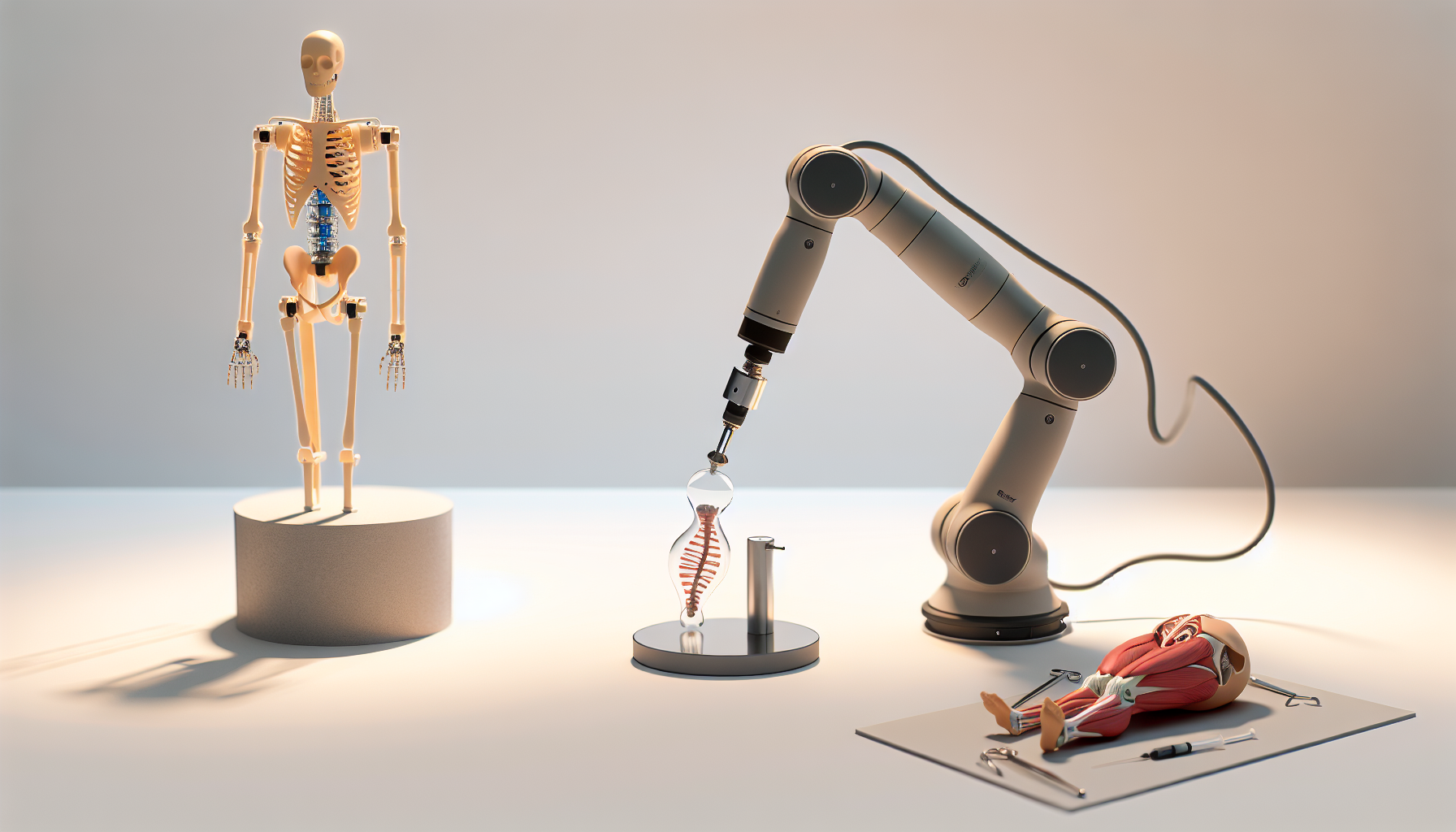
Open-source robotics represents a transformative approach by offering hardware and software platforms under permissive licenses that encourage free modification, distribution, and collaboration. This methodology is pivotal in healthcare innovation, as it reduces barriers and opens new opportunities for advancements in surgery, patient monitoring, and rehabilitation. The essence of open-source robotics lies in its ability to enable cost-effective development, making cutting-edge medical technologies accessible across the globe. The implications for healthcare are profound, allowing rapid iteration and improvement in medical robots and tools.
Understanding Open-Source Robotics
Open-source robotics is defined by the availability of designs and frameworks that can be freely utilized and adapted by developers. At the heart of this movement are software frameworks like the Robot Operating System (ROS) and the Gazebo simulator. These tools provide essential infrastructure for building robot applications across various domains. Additionally, companies like Source Robotics supply open-source hardware, including robotic arms and motor controllers, enabling researchers and developers to create custom robotic solutions tailored to specific healthcare needs.
The advantages of open-source robotics are numerous:
- Lowering development expenses, allowing for diverse innovations in healthcare solutions.
- Customizability, enabling healthcare providers to adapt robotics technology for specialized applications.
- Collaboration, fostering an ecosystem of perpetual innovation. The EU-funded OpenDR project exemplifies this advantage by enhancing healthcare robotics with the TIAGo robot.
The Role of Open-Source Robotics in Healthcare
Open-source robotics is increasingly playing a pivotal role in healthcare, where its application spans surgical precision, patient assistance, and lab automation. These technologies are revolutionizing patient care through AI-driven monitoring systems and advanced rehabilitation tools that offer high levels of efficiency and precision. By deploying these open platforms, healthcare providers accelerate the development and deployment of innovative solutions that improve patient outcomes.
The intersection of open-source robotics with healthcare introduces several benefits:
- Surgical robots facilitate complex procedures with greater accuracy, reducing recovery times and minimising errors.
- Patient assistance robots offer invaluable support in monitoring health status, delivering medication, and detecting falls.
- Robotic systems enhance the efficiency and accuracy of medical tests and research by automating lab processes.
Robotic Surgery: A Revolution in Medical Procedures
Robotic surgery has transformed the healthcare landscape, offering a robotic arm guided by a surgeon's control that performs precise and minimally invasive operations. At the core of these systems are teleoperated arms and sophisticated imaging technologies that integrate with AI to deliver unprecedented accuracy. The result is a reduction in recovery times, smaller incisions, and improved patient outcomes.
Open-source platforms like the Comprehensive Open Robotics Ecosystem (CORE) are pivotal in democratizing access to cutting-edge surgical technologies. By breaking down the proprietary monopolies held by large corporations, these platforms encourage innovation and competition, much like how Android revolutionized the tech industry.
Through these open developments, robotic surgery becomes more accessible to healthcare systems worldwide, enabling hospitals to adopt these technologies without the prohibitive costs typically associated with proprietary solutions. This democratization leads to nimble and innovative surgical practices, amplifying the therapeutic reach of healthcare institutions everywhere.
Medical Robots Beyond Surgery - Enhancing Patient Care
Medical robots are no longer just tools for surgery—they are becoming integral for enhancing various aspects of patient care through automation. These robots tackle a wide range of tasks, from delivering medication and monitoring patient vitals to detecting falls and recognizing emotional states. Platforms like PAL Robotics' TIAGo offer robust tools for automating routine tasks, contributing to significant improvements in hospital efficiency and patient outcomes.
Examples abound of innovative patient care applications:
- Able Innovations' ALTA assists with patient transfers, easing the physical burden on healthcare workers.
- AiM Medical Robotics provides groundbreaking solutions for neurosurgery targeting, enhancing precision and patient safety.
- Service robots like Unlimited Robotics' Gary revolutionize care in nursing homes by offering companionship and support.
Case Studies of Open-Source Robotics in Healthcare Innovation
Several case studies highlight the profound impact of open-source robotics on healthcare innovation. The OpenDR Project, under the EU Horizon 2020 initiative, integrates open-source deep learning tools into the TIAGo platform for various healthcare trials, demonstrating the feasibility of utilizing robotics for activities such as visitor assistance, object handling, and fall detection.
Similarly, Source Robotics' PAROL6 project supports healthcare research through the provision of open-source flexible robot arms, bridging the gap between educational institutions and industry applications. Such initiatives provide a foundation for ongoing innovation in medical robotics.
The ABLE Human Motion Exoskeleton stands as another critical success, employing open-source technology to aid rehabilitation for individuals with spinal cord injuries. Backed by EIT Health, this CE-marked exoskeleton exemplifies the potential of robotics to transform rehabilitation practices.
Future Implications and Innovations
The future of open-source robotics in healthcare promises exciting developments, with scalable AI-driven tools poised to revolutionize diagnostics, rehabilitation, and facility automation. Innovations such as NVIDIA's simulations support XR teleoperation and policy training, paving the way for highly autonomous systems adaptable to numerous healthcare environments.
However, ethical concerns such as data privacy and equitable access, alongside regulatory complexities relating to MDR/CE compliance, must be addressed. Ensuring safety while fostering innovation in open ecosystems is paramount, requiring a delicate balance that encourages progression without compromising ethical standards.
Conclusion: Open-Source Robotics Drives Healthcare Innovation
Open-source robotics is a driving force in healthcare, enabling groundbreaking tools and techniques that enhance surgical precision, automate patient care, and optimize hospital operations. The collaborative nature of open-source projects empowers ongoing innovation, encouraging both developers and clinicians to contribute actively to evolving solutions in the medical field. Despite challenges such as regulatory demands, the benefits of open-source robotics in achieving efficient, cost-effective healthcare outcomes are undeniable.
Call to Action
Readers are encouraged to share their insights or experiences around open-source robotics in healthcare with the community. Engaging with projects like OpenDR can facilitate continued innovation in this exciting field, and contributions from both the healthcare community and tech enthusiasts can help shape the future of medical technologies. By participating, you become part of a collaborative effort to redefine healthcare through open-source robotics.