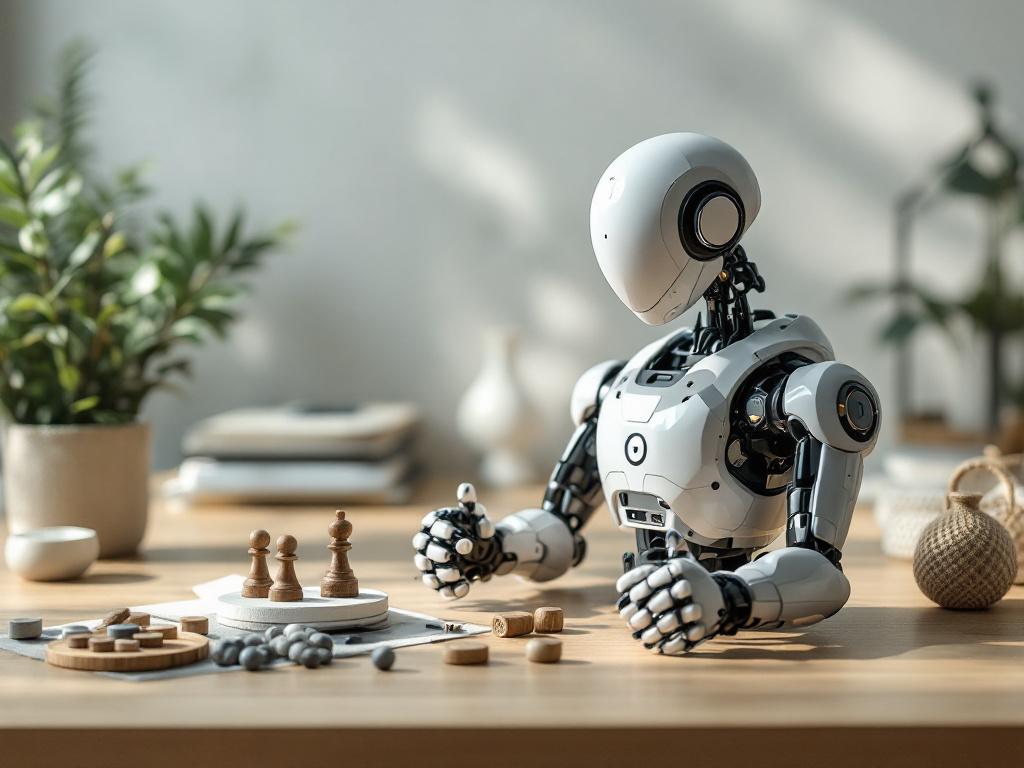
Harnessing Digital Twins for Real-World Robot Optimization
Digital twins are making a splash in the world of technology, emerging as an essential tool for innovation and efficiency. These virtual replicas of physical objects, systems, or processes can replicate the real world in real-time by using sensor data, IoT, and AI. The ability of digital twins to simulate, optimize, and provide predictive insights is transforming various industries, with robotics at the forefront. In robotics, digital twins are enhancing design, training, and deployment efficiency, paving the way for new advancements in automation.
Understanding Digital Twins: Connecting the Physical and Digital Worlds
A digital twin is a dynamic digital model that reflects a physical counterpart, synchronizing with real-time data to simulate behavior, predict outcomes, and facilitate decision-making across its lifecycle. Their core functions include:
- Data Acquisition: Digital twins gather data from IoT sensors and devices, ensuring a continuous flow of information from the physical world to the digital realm.
- Modeling and Simulation: AI, machine learning, and predictive analytics play a significant role in creating models that can forecast future scenarios and enhance system understanding.
- Real-Time Synchronization: A two-way real-time link ensures any changes in the physical asset are immediately reflected in the digital twin, and vice versa.
- Analysis and Optimization: By analyzing data, digital twins aid in optimization, anomaly detection, and scenario testing, providing insights into system efficiency and potential improvements.
Core Components
- Physical Asset: The object or system being mirrored.
- Digital Model: Virtual representation of the physical asset.
- Data Integration Layer: Connects the physical and digital worlds, managing the data flow.
- AI Analytics: Tools that interpret data to predict and optimize outcomes.
- User Interfaces: Dashboards that provide users with data visualizations and insights.
Industry Adoption
Manufacturing, aerospace, healthcare, and infrastructure have embraced digital twins due to their ability to simulate complex behaviors. However, robotics stands out as a field where these tools are especially impactful. By simulating behaviors and training AI models, digital twins enable more efficient operations in robotics, making them invaluable for optimizing complex systems.
Digital Twins in Robotics: Enhancing Robot Optimization and Functionality
Digital twins are pivotal in propelling the capabilities of robotics by facilitating the development environment where robots can be perfected before they are deployed in real life. Through virtual replicas, researchers and engineers test and refine robot designs and functionalities without the need for costly and time-consuming physical prototypes.
Predicting Performance
Robots, through their digital counterparts, can predict performance metrics and behaviors, enabling engineers to refine and enhance robotic features. This process allows for:
- Refinement of Design: By evaluating digital simulations, designers can identify potential flaws and make necessary adjustments early in the design phase, thereby saving time and resources.
- Performance Simulation: By simulating real-world scenarios, digital twins can predict how robots perform within various environments and conditions, refining operations before implementation.
Real-World Examples
One notable example is Amazon Robotics, which leverages digital twins to generate synthetic data, train computer vision models, and improve navigation and object detection capabilities. Digital twins in such applications have led to:
- Enhanced Performance: Simulations allow for testing under different conditions, ensuring peak performance in real-world applications.
- Increased Safety: Virtual environments help predict risks, enabling risk mitigation strategies to be designed without exposing actual robots to potential dangers.
- Efficiency: Optimized workflows result from reduced trial and error in physical testing phases.
Simulation-Based Training: Safe and Scalable Robot Learning
Simulation-based training is a transformative concept in robotics, providing a virtual platform to educate robots on tasks safely. Digital twins enrich this method by offering photorealistic and physics-accurate environments, invaluable for generating the synthetic datasets necessary for robust AI training.
Cost Reduction and Risk Mitigation
Training robots in a digital landscape minimizes costs by cutting down on hardware expenses and physical test requirements. The benefits include:
- Reduced Costs: Avoiding physical testing decreases wear and tear on hardware, saving on maintenance and replacement expenses.
- Risk Mitigation: Predictive simulations help identify possible failures, enabling resolutions to be worked out within a safe, controlled environment.
Data Gap Resolution
By generating large volumes of synthetic data, digital twins fill in any potential data gaps, improving the robot's learning process. Advanced simulations allow for:
- Broader Scenario Exploration: Testing across multiple scenarios ensures comprehensive preparation, improving robot adaptability and performance.
- Faster Iteration Cycles: Identifying and solving issues quicker enhances the overall speed of robot development, facilitating rapid advancements in AI-driven tasks.
Developing and Utilizing Robot Models: Precision with Digital Twins
The process of creating and using robot models through digital twins begins with importing CAD/BIM data or scanning existing robots and integrating these with IoT data streams for continuous updates. This ensures an accurate representation of the robot's physical and digital states.
Predictive Behavior and Troubleshooting
Digital twins enable the prediction of robot behavior across different scenarios, crucial for:
- Predicting Outcomes: Analyze how robots can interact with diverse environments, predicting operational hurdles before they occur.
- Troubleshooting: By simulating potential failures or inefficiencies, digital twins empower engineers to troubleshoot and refine robotic functions proactively.
Implications for Robotics Technology
The accuracy of these models enables proactive optimizations that drive forward innovations in robotics, such as:
- AI Training: Offers the foundation for more sophisticated AI, enhancing robot learning and functionality.
- System Integration: Facilitates smoother integration of robotics into existing systems, paving the way for more seamless automation.
- Scalable Applications: The flexibility and scalability of digital twin technology make it an ideal tool for developing generative physical AI capable of powering autonomous systems.
Real-World Applications of Digital Twins: Transforming Robotics at Scale
Digital twins have proven themselves in real-world robotics applications, transforming operations and driving technological advancements. For example, at Amazon’s warehouses, digital twins are employed to optimize robot flows, resulting in better AI accuracy and enhanced operational efficiency.
NVIDIA and Advanced Simulations
Tools like NVIDIA’s Omniverse support robotics through detailed simulations, assisting in building reliable and resilient systems. These tools can:
- Optimize Operations: By simulating wireless networks for 5G/6G-integrated robots, industry giants can improve communication and coordination among robotic fleets.
- Enhance Innovation: Real-world applications lead to innovations in autonomous systems, essential for advancing Industry 4.0 integration.
Future Trends
Looking ahead, digital twins are set to expand their influence through:
- Physical AI Training: Advanced digital twins could transform how AI models are trained in robotics, bridging the gap between digital simulations and physical realities.
- Edge Computing: Enhanced by cutting-edge computing technologies, digital twins will enable real-time decision-making on the edge.
- Multi-Twin Ecosystems: As technology advances, multi-twin ecosystems will emerge for managing complex robotic fleets, enhancing coordination and efficiency.
Conclusion: Digital Twins as a Catalyst for Robotic Innovation
In summary, digital twins are revolutionizing the robotics landscape by facilitating precise simulations, ensuring safe training environments, and enabling predictive optimizations. By integrating real-time data and AI, they offer remarkable performance improvements and drive revolutionary advancements in both robotics and industry at large. Digital twins have established themselves as a cornerstone technology crucial for any organization looking to innovate and excel in automation.
Call to Action: Join the Digital Twin Movement
If you've had experiences with digital twins in robotics, share your stories in the comments. We encourage you to subscribe to our blog for the latest insights on digital twins and other groundbreaking technological advancements. Your engagement helps foster a community where innovation thrives and new ideas take flight.