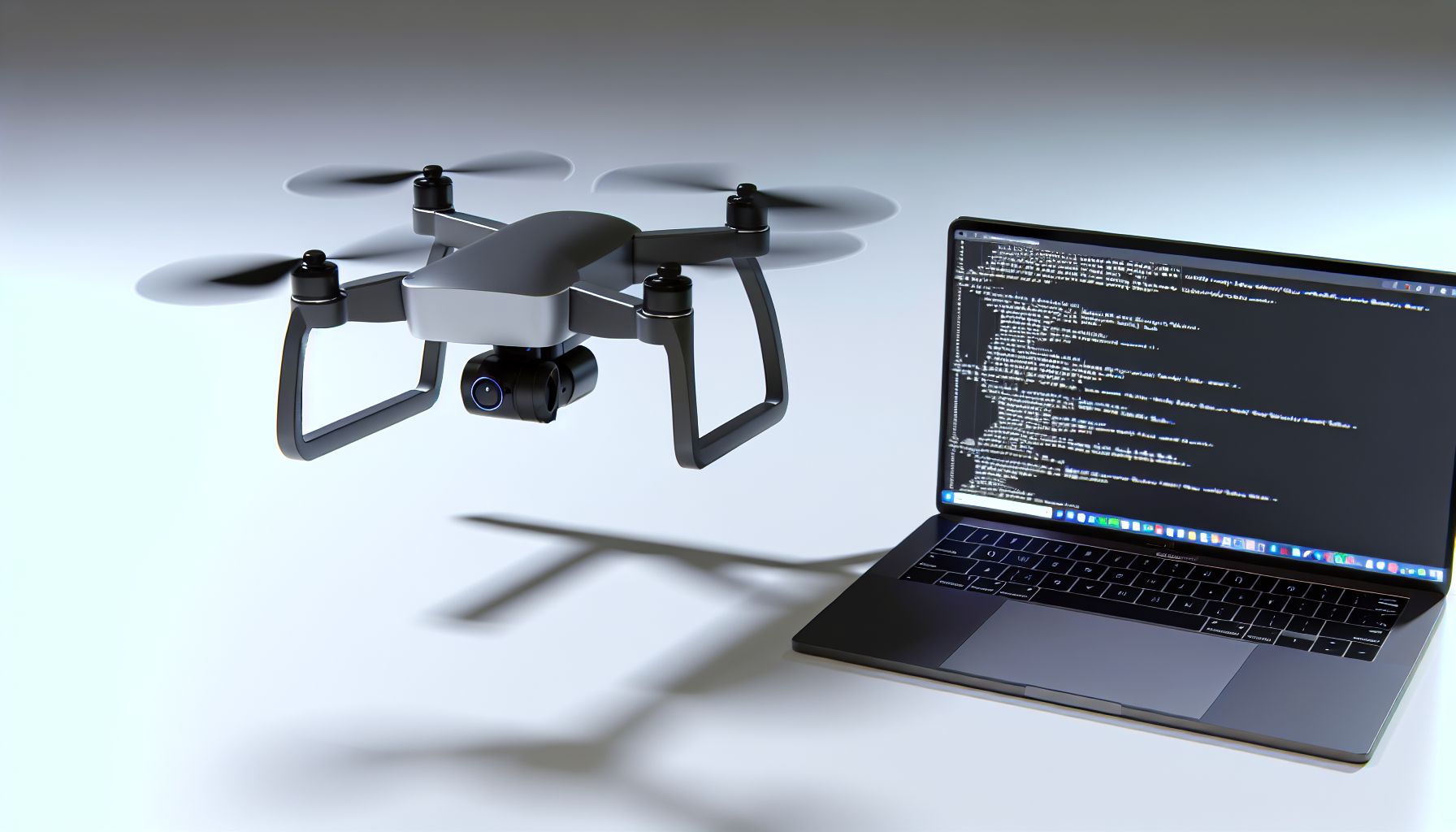
Developing Autonomous Drones: Challenges and Open-Source Solutions
In recent years, autonomous drones have transformed the landscape of numerous industries, providing efficiency, safety, and precision. These unmanned aerial vehicles (UAVs) are capable of operating without human intervention, thanks to advanced sensors, AI algorithms, and powerful onboard processing. The growing importance of autonomous drones is evident in the way they revolutionize sectors such as agriculture, logistics, and infrastructure, marking a significant milestone in aerial robotics. As technology continues to advance, the applications of these drones expand, promising even greater integration into various fields.
Understanding Autonomous Drones
Autonomous drones are a step beyond traditional UAVs, equipped with the ability to perform flights and tasks independently. While traditional drones require constant human input, autonomous drones rely on sophisticated technology that allows them to navigate and execute tasks seamlessly. Real-time data processing is at the heart of their functionality, with sensors such as cameras, LiDAR, and GPS gathering critical information from their environment.
These drones are composed of key components designed for optimal performance. Advanced sensors play a crucial role in perceiving the environment, allowing drones to make split-second decisions and avoid obstacles. The speed and efficiency of decision-making are further enhanced by low-latency processing units. Additionally, scalable software systems ensure that these drones can tackle various sizes and types of missions, making them flexible tools in any industry setting.
The integration of artificial intelligence is a cornerstone of their autonomy. AI in drones utilizes machine learning to improve their capability to analyze data, recognize patterns, and adapt to dynamic settings. For example, in search-and-rescue operations, drones can quickly navigate through complex terrains, identifying and locating individuals in need of assistance. This level of intelligence and adaptability makes autonomous drones invaluable in both routine and critical tasks, underscoring their growing importance in contemporary technological applications.
Applications of Autonomous Drones
Autonomous drones have found their way into multiple industries, each with its specific needs and benefits.
- Agriculture: These drones are invaluable for crop surveying, detecting health issues, and optimizing irrigation, facilitating precision agriculture by offering detailed analytics.
- Disaster Management: Their swift and precise operation is crucial for monitoring floods, tracking tornado paths, and aiding in search-and-rescue missions.
- Infrastructure Inspection: Drones provide meticulous examinations of power plants, pipelines, and other critical sites without the need for risky human intervention.
- Logistics: Drones have revolutionized delivery systems by providing faster transit times and enabling access to remote areas, especially in emergency healthcare scenarios.
Innovative projects and companies are driving these applications forward. Percepto's “drone-in-a-box” systems for industrial surveillance and Grasshopper's middle-mile logistics project exemplify the vast potential of these aerial vehicles in transforming traditional logistics models.
Technological Advancements in Autonomous Drones
The transformative capabilities of autonomous drones are largely attributed to advancements in technology, particularly in AI and aerial robotics. Machine learning and neural networks enhance these drones' navigation precision, enabling them to detect obstacles, optimize routes, and even detect anomalies through computer vision.
Aerial robotics integrate real-time adaptation and expanded functional capabilities into drones. The use of composite materials allows for lightweight yet durable designs, while advancements in battery technology extend flight times and enable higher payloads. These technological enhancements ensure that autonomous drones can handle more complex tasks and operate over larger distances and longer durations.
Open-source drone technology has also played a pivotal role in the rapid development and innovation seen in this sector. By making proprietary systems accessible to startups and developers, open-source platforms encourage collaboration and scalability, fostering an environment where imaginative solutions can quickly move from concept to reality.
Challenges in the Development and Deployment of Autonomous Drones
Despite the numerous benefits, the development and deployment of autonomous drones face several challenges. One of the primary technical hurdles is real-time data processing in dynamic environments. Drones must be able to process and react to continuous streams of data without delay, ensuring safe and efficient operations.
Regulatory issues also pose significant hurdles. Compliance with evolving safety standards and the establishment of designated drone corridors are ongoing concerns that developers must navigate. The unpredictability of regulatory environments can slow the deployment of these technologies, despite their evident advantages.
Safety and security remain paramount concerns, particularly regarding obstacle avoidance technology. A failure in this system can lead to crashes, causing damage or injury. Security risks, including the potential for hacking, require robust defenses to ensure the data and drone operations remain uncompromised. Privacy issues are another key consideration, especially when drones are used for surveillance.
Balancing technological advancements with regulatory requirements is essential for deploying autonomous drones safely and effectively. Collaborative efforts between technology providers and regulatory bodies are vital in creating secure platforms that meet compliance standards and ensure the reliability of these innovative solutions.
Future of Autonomous Drones
The future of autonomous drones is rich with potential and poised to transform even more sectors. As AI technology continues to expand, the possibility of autonomous drones tackling increasingly complex tasks becomes a reality. From autonomous deliveries to large-scale environmental monitoring, the applications are vast and varied.
Projections predict the commercial drone market to reach $47 billion by 2030, driven by these ongoing advancements.
The evolving landscape of drone regulations will likely see more collaboration between governments and industry players. This will facilitate scalable solutions that can overcome logistical constraints and redefine the role of drones in modern society. Such developments will be crucial in broadening the adoption of drones, making them an integral part of various logistical and industrial frameworks.
Conclusion
Autonomous drones hold tremendous potential in transforming industries by automating tasks that are risky and time-intensive. The precision they afford, powered by AI and aerial robotics, underscores their value across multiple sectors. Watching advancements in this field, supported by open-source drone technology, reveals a promising path of collaborative innovation. As the industry continues to grow and evolve, autonomous drones will likely play an ever-increasing role in shaping the technological landscape.
FAQ
1. How do autonomous drones navigate complex environments?
Autonomous drones navigate complex environments using advanced sensors, AI algorithms, and real-time data processing. Sensors such as cameras, LiDAR, and GPS gather contextual information, while AI algorithms process this data to chart safe and efficient routes.
2. Are autonomous drones safe to use in urban areas?
Yes, autonomous drones are designed with safety features that allow them to navigate urban environments safely. They are equipped with obstacle avoidance technology, ensuring that they can detect and avoid buildings, trees, and other potential obstacles. Regulatory compliance also plays a key role in their safe operation within urban settings.
3. What are some emerging trends in autonomous drone technology?
Emerging trends in autonomous drone technology include the integration of AI for improved navigation, enhanced battery technology for longer flight times, and open-source platforms that support collaborative innovation. These trends are expanding the capabilities and applications of drones across various sectors.
4. What are regulatory challenges faced by autonomous drone developers?
Regulatory challenges include compliance with evolving safety standards and the creation of drone corridors for safe navigation. Developers must also ensure that their drones adhere to privacy and security regulations to protect data and prevent unauthorized access.
5. How do autonomous drones help in environmental monitoring?
Autonomous drones assist in environmental monitoring by providing airborne observations and collecting data on ecological conditions. They can be used for mapping vegetation, monitoring wildlife, assessing pollution levels, and gathering data on climate change impacts, offering precise and real-time insights that can drive conservation efforts.