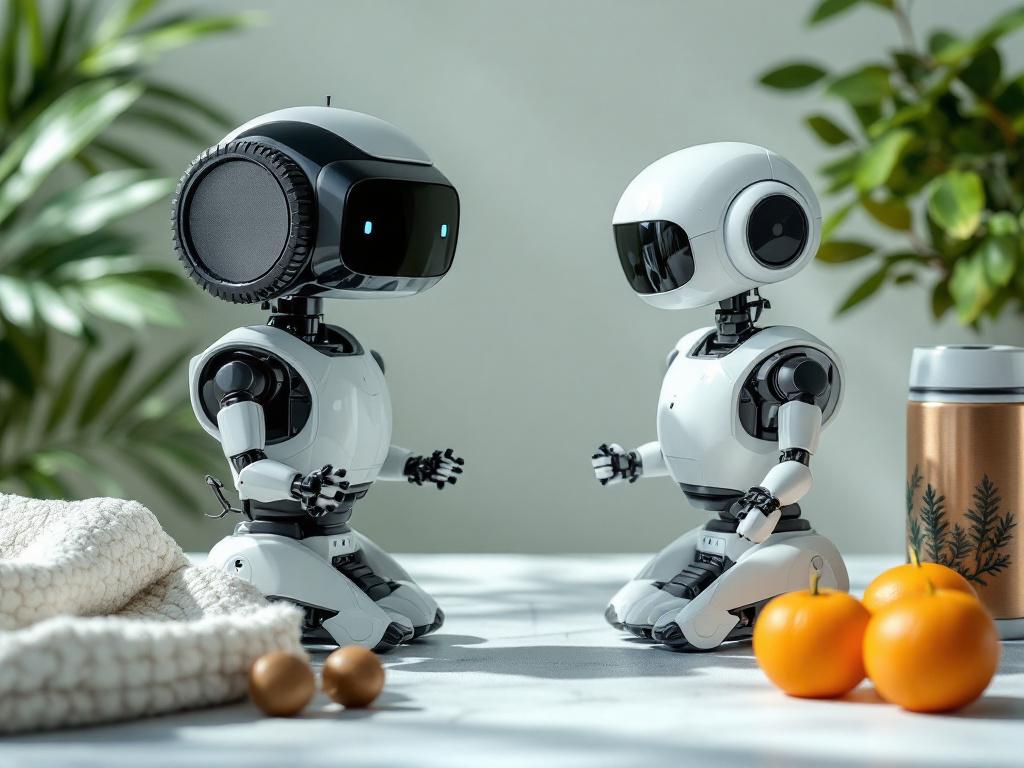
Open Source Robotics: The Future of Collaboration and Innovation
Open-source robotics refers to the practice of sharing the hardware, software, and design of robots under licenses that allow anyone to modify and distribute them. This openness fosters collaboration and transparency, enabling shared progress across global communities. In recent years, we have witnessed rapid growth in this field, primarily driven by platforms like ROS (Robot Operating System), which has become a bedrock for advancing technology in mechanics, electronics, and computer science.
Open-source innovation thrives because it removes barriers, allowing passionate developers from all over the world to contribute and refine ideas. These collaborative efforts ensure that even small players can make significant impacts in the robotic landscape, paving the way for a future filled with possibilities.
Understanding Open-Source Robotics
Open-source robotics represents a paradigm where robotics projects—encompassing code, firmware, and hardware—are freely available for anyone to use, modify, and share. This approach is grounded in principles of openness and collaboration, serving as a catalyst for innovation. Developers from all corners of the globe come together in this enriched ecosystem to pool their knowledge and resources.
A notable aspect of open-source robotics is its comprehensive community support. The widespread adoption of platforms like Arduino and Raspberry Pi exemplifies this. These platforms function as bridges between curious hobbyists and seasoned professionals, enabling the cultivation of skills and ideas. For instance, platforms like Instructables provide hands-on demos that simplify complex concepts, fostering learning and skill acquisition.
The tangible benefits of embracing an open-source approach are manifold. Startups can significantly reduce costs by leveraging the work of others, bypassing the need for developing everything from scratch. This has also allowed them to focus resources on what matters most: creating cutting-edge technologies and solutions. Furthermore, open-source initiatives empower rapid innovation by preventing the redundancy of efforts across the field.
Benefits of Open-Source Robotics:
- Accessibility: By being open, more people can contribute, making it easier for beginners to learn and for experienced developers to innovate.
- Cost Efficiency: With shared resources, development costs are minimized, allowing newcomers to compete with larger companies.
- Rapid Innovation: Projects can evolve quickly with contributions from a diverse range of talents, pushing the boundaries of what's possible.
Thus, the ethos of open-source robotics not only encourages collaboration but also spurs innovation, charting a transformative future for technology.
The Role of Collaboration in Open-Source Robotics
In the realm of open-source robotics, collaboration is the lifeblood that sustains and propels initiatives forward. This is not simply a cooperative effort but a tapestry woven with threads of diverse ideas and expertise. A thriving open-source community means that countless minds work together toward solving complex challenges.
One striking example of successful collaboration is the Marlin firmware. Designed for 3D printers, Marlin has over 2,000 followers and 280 contributors worldwide. It has become a testament to the power of collective input, as contributors from across the globe continually refine and enhance the firmware, making it one of the most robust solutions available today.
Another shining success in the collaborative landscape is ROS. By providing a platform where thousands of developers contribute to hardware abstraction and device control, ROS has fostered the creation of myriad applications, ranging from autonomous vehicles to sophisticated robotic arms. This vibrant community ensures that even the most complex tasks, like collaborative robot handling, are achievable.
Collaboration in open-source robotics leads to groundbreaking outcomes. For instance, the cobots that adapt trajectories for human-robot interaction were born from these shared efforts. These cobots go beyond proprietary solutions by enriching human-robot collaboration, enhancing safety, efficiency, and productivity in unprecedented ways.
Key Features of Collaborative Open-Source Robotics:
- Diverse Contributions: Involving people from diverse backgrounds results in richer, more robust solutions.
- Global Networking: Contributors from different geographical locations bring varied perspectives and knowledge.
- Innovative Results: Collaborative efforts often lead to unexpected solutions that advance the field of robotics.
In summary, collaboration is not just a tool but an integral part of the open-source ecosystem, driving ambitious projects to success, one contribution at a time.
Innovation Through Open-Source Projects
Innovation is a hallmark of open-source robotics, where accessible platforms foster an atmosphere ripe for creative exploration. This sector, characterized by its openness, accelerates innovation by offering unparalleled resources and freedom from traditional constraints.
ROS serves as a prime example of how open-source platforms enable groundbreaking innovations. With ROS powering approximately 55% of the world's robots by 2024, it has proven invaluable in developing technologies like collision-avoiding AGVs (Automated Guided Vehicles) and adaptive pick-and-place systems. Its modular nature allows the integration of new features, encouraging a continuous evolution of capabilities.
Consider ROS-Industrial, which underscores the transformative power of open-source robotics. Its modules, designed for everything from stereo vision in work cells to open hardware, have effectively lowered the entry barriers for innovative ideas in control and simulation. This democratization of technology means that even small startups can compete against large industry players.
"An open source Physical AI ecosystem offers an alternative to commercial models, and allows thousands of robotics startups around the world to compete on equal footing with Goliaths hundreds of times their size."
Characteristics of Open-Source Innovation:
- Scalability: Open platforms like ROS allow systems to grow easily with additional functions and capabilities.
- Flexibility: The absence of rigid constraints enables agile adjustment and improvement of projects.
- Community Empowerment: Users globally can make contributions, promoting a fertile ground for idea development.
Through these avenues, innovation in open-source robotics is not just a possibility but an ongoing reality, fostering advancements that shape the technological landscape.
Platforms Facilitating Open-Source Robotics
Platforms like GitHub are indispensable in the facilitation of open-source robotics. Often referred to as GitHub for robots, these online environments revolutionize the development process by offering tools for version control, collaborative coding, and more.
GitHub serves as a central hub for storing and sharing code, enabling developers across the globe to fork, contribute to, and improve projects. These contributions allow for better code quality, faster problem resolution, and rapid iteration. Critical frameworks like ROS and Marlin firmware find their homes on such platforms, benefiting enormously from this global digital congregation.
Moreover, platforms like GitHub play a pivotal role in preventing redundant efforts. For example, developers no longer need to "reinvent the wheel" because they can build upon existing resources and frameworks, leveraging the accumulated wisdom of the entire community. This shift allows for quicker development times and more refined final products.
Advantages of GitHub for Robots:
- Version Control: Maintains a historical record of changes, enabling teams to revert to earlier states if necessary.
- Collaborative Environment: Facilitates easy sharing and discussion of code amongst dispersed teams.
- Standardization: Encourages creation of universal standards, which are advantageous for both individual innovators and commercial developers.
In essence, platforms like GitHub are the beating heart of the open-source robotics community, enabling creators to share, refine, and advance technologies in ways previously unimaginable.
Future of Open-Source Robotics
The future of open-source robotics is replete with exciting prospects and inevitable challenges. Trends suggest the emergence of expanded Physical AI ecosystems and new visualization tools, like Foxglove, which benefit from the unprecedented connectivity open-source platforms provide.
As technology races forward, legal aspects of commercialization present potential hurdles. As open-source components increasingly enter proprietary realms, maintaining a balance between legal restrictions and open sharing will be crucial. Furthermore, keeping communities vibrant amidst competition requires deliberate effort and strategy.
Despite these potential roadblocks, collaboration and innovation remain steadfast as the foundational pillars of the open-source movement. Through collaboration, tools are likely to become standardized, leveling the playing field between small enterprises and industry giants. Moreover, AI integration within open-source platforms hints at remarkable advancements in automation, bringing entire new dimensions to robotic autonomy.
Prospective Insights for the Future:
- AI Synergy: Integration of AI with open-source tools for smarter, more autonomous operations.
- Community Dynamics: Ensuring healthy engagement and contribution despite potential commercial pressures.
- Continuous Evolution: As trends emerge, open-source robotics will adapt, redefine, and innovate to remain at the forefront.
Ultimately, the collaborative nature of open-source robotics will continue to define the industry's trajectory, empowering developers worldwide to contribute to a collective body of knowledge and innovation.
Conclusion: The Transformational Potential of Open-Source Robotics
Open-source robotics has revolutionized the field of technology, offering noteworthy cost efficiencies and transformative innovation through collaboration. By tapping into the power of community-driven progress, open-source projects have bridged gaps between nascent ideas and fully realized applications, reshaping sectors ranging from education to manufacturing.
The future of open-source robotics will surely be defined by united efforts and a continuous commitment to innovation. Individuals eager to dive into this expanse are encouraged to participate by engaging with platforms like ROS on GitHub or exploring resources from projects like Niryo. For those interested in learning how real-world testing enhances robot skill development, there are numerous opportunities to explore.
The call to action is clear: Join the open-source revolution, contribute to enriching the collective tapestry of robotic knowledge, and help to define a future where technology is shaped by human creativity and shared passion. Engage, explore, and innovate—there is always more to discover in the world of open-source robotics.
FAQ Section: Addressing Common Queries
1. What are the primary benefits of using open-source robotics for educational purposes?
Open-source robotics offers students and educators hands-on, real-world experience without the high costs often associated with traditional resources. These platforms allow students to experiment with coding, building, and testing robotic systems, fostering a deeper understanding of STEM concepts. Additionally, the collaborative nature of open-source solutions can connect students with a global community, enhancing their learning experience through shared insights and resources.
2. Can open-source robotics be commercialized, and if so, how?
Yes, open-source robotics can be commercialized, but it involves balancing open-source principles with business interests. Companies can develop proprietary products using open-source components while adhering to licenses like GPL or MIT, which typically require sharing improvements with the community. Innovative business models, such as offering premium support or developing unique hardware, enable monetization while contributing to the open-source ecosystem.
3. How do contributors benefit from participating in open-source robotics projects?
Contributors gain numerous benefits, including skill enhancement, portfolio building, and networking opportunities. Participating in open-source projects allows individuals to work on cutting-edge technologies and garner experience in real-world applications, making them more attractive to potential employers. Additionally, being part of a collaborative community leads to valuable connections and resources that aid personal and professional growth.
4. What challenges might I face when starting an open-source robotics project?
Initial challenges can include scope definition, resource acquisition, and community engagement. Projects need a clear scope to maintain direction, as well as access to software and hardware resources to develop effectively. Engaging the community for contributions and feedback is essential but can be difficult due to competition for attention amidst numerous projects. Consistent communication and showcasing potential impacts can help attract collaborators and supporters.
5. How does open-source robotics align with the latest trends in AI and machine learning?
Open-source robotics aligns seamlessly with AI and machine learning through shared platforms that encourage collaboration and adaptability. Emerging tools and frameworks are constantly integrated into the open-source ecosystem, allowing developers to implement AI-driven features like autonomous navigation or predictive maintenance. This alignment accelerates the development of intelligent systems, further blurring the lines between robotics, AI, and machine learning for more advanced and adaptable technologies.